
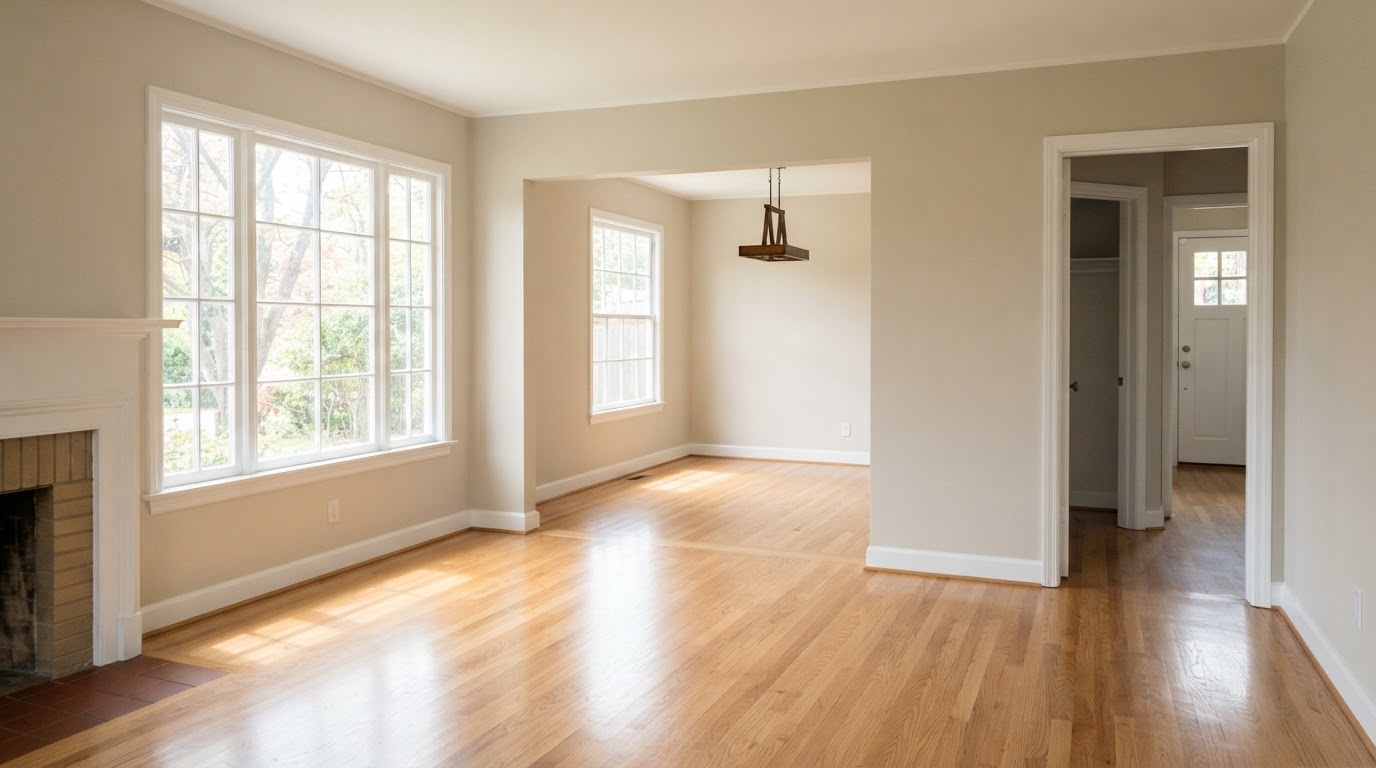
Emptying a family home after a death or a move into senior living is one of the heaviest tasks an adult child or executor will ever take on. The house holds decades of decisions, and every drawer seems to ask a question. In Metro Atlanta, the practical side of that work has a name: an estate clean out, a whole-home clearing that happens room by room so the property can be sold, rented, or handed to the next owner.
This is a plain-language walkthrough of how that process usually works, where families get stuck, and how to keep the emotional weight from turning into months of delay. It covers sorting, estate sale timing, donation coordination, vendor management, and getting the home ready for market. Where a detail depends on your county, your estate documents, or a vendor's own policies, confirm it directly rather than assuming.
What an Estate Clean Out Actually Involves
An estate clean out is not a single truckload. It is a process that clears an entire home, typically room by room, and ends with a property that is empty and ready to show. Atlanta cleanout providers describe the work as handling the whole house with care and discretion, donating what can be donated, and leaving the property broom-clean.
That last part matters more than most families expect. A house that is “mostly empty” still photographs badly, still smells like the past, and still gives buyers a reason to wonder what else was left undone. A complete cleanout removes that doubt.
The contents of a longtime family home usually fall into a few predictable groups:
- Furniture and mattresses that charities may not accept in their current condition
- Years of paper: bills, medical records, tax returns, photographs, and correspondence
- Garage, attic, basement, and shed contents that often dwarf the main living areas
- Appliances, lawn equipment, paint, and chemicals that carry disposal considerations
- Items with real value that should be appraised or sold before anything is hauled
- Personal keepsakes family members want, which need to be identified early
Some providers also handle situations that require special protocols, including biohazard cleanup and disposal, and some Atlanta companies advertise emergency availability around the clock. If the home has a contamination issue, ask about training and handling protocols before you book anyone.
Start With a Walkthrough and a Written Plan
Before a single box moves, walk the property with a notebook and a camera. You are not making decisions yet. You are building a map so that decisions can be made once, in the right order, instead of being revisited every weekend.
- Photograph every room as it looks now, including the inside of closets, cabinets, and drawers.
- List the categories of items: keep, distribute to family, sell, donate, recycle, dispose.
- Mark anything that needs an appraisal before it is touched.
- Identify what stays with the house and what leaves.
- Set the order of rooms, usually starting with the least emotional spaces.
Photographs also protect you. Executors are often asked to account for what happened to the contents of a home, and a dated photo record is far easier than reconstructing events from memory months later. Store those images somewhere the whole family can access, and share the plan in writing so disagreements surface early rather than on moving day.

The Five Decisions Every Item Falls Into
| Category | What it means | Typical next step |
|---|---|---|
| Keep | Items family members want, including documents and keepsakes | Pack and remove before the sale or cleanout |
| Sell | Furniture, art, tools, and collectibles with resale value | Route to an estate sale or a direct buyer |
| Donate | Usable clothing, housewares, books, and furniture | Schedule a pickup or drop-off |
| Recycle | Metal, electronics, and other materials accepted locally | Separate from general debris |
| Dispose | Damaged, soiled, or unsalvageable items | Haul away with the cleanout crew |
Sorting into these five buckets early prevents the most common delay: a house that sits half-packed for months because every object is being decided twice.
Estate Sale or Clean Out First?
If there are enough saleable contents, the estate sale usually comes first and the cleanout follows. Estate sale companies in the Atlanta area often offer clean out services alongside sale coordination, which is one reason families sometimes hire one company to run the sale and another to clear what remains.
Two practical rules keep the sequence from going wrong. First, remove the items family members are keeping before the sale is set up, so nothing gets sold by mistake. Second, get the sale company's expectations in writing: what they will price, what they will not accept, how leftovers are handled, and who is responsible for hauling unsold items afterward. Many estate sales end with a meaningful amount of unsold inventory, and someone still has to deal with it.
If the contents have little resale value, skip the sale and go straight to a cleanout. Paying for a sale that produces very little is worse than a straightforward haul-away, and it adds weeks to the timeline.
Donation Coordination Without the Guesswork
Donation is the part families feel best about and the part most likely to stall. Most charities accept only clean, usable items, and many will not take mattresses, large appliances, or anything damaged. Confirm what a donation center will actually accept before you load a vehicle, because a truck full of rejected items has to go somewhere else.
- Ask whether pickup is available and how far ahead it must be scheduled.
- Sort donations before pickup day so the crew is not waiting on you.
- Keep a simple list of donated items if the estate needs a record.
- Ask for a receipt if the estate will claim a charitable contribution.
- Set aside anything with possible value for appraisal before it leaves the house.
Cleanout companies frequently build donation into the job, which removes a step from your plate and keeps usable goods out of a landfill. Ask specifically where items go and whether you will receive documentation of what was donated.

Managing the Vendors So You Do Not Have To
A full estate transition can involve half a dozen trades: a cleanout crew, a hauler, a moving company, a cleaner, a locksmith, a lawn service, and sometimes an appraiser or auctioneer. Coordinating them is a job in itself, and it is the job families most often underestimate.
Some Atlanta moving companies offer combined moving and estate cleanout support, which cuts down on the number of companies you have to schedule and the number of invoices you have to track. Whichever route you choose, treat vendor management as its own task:
- Get written quotes that state what is included, especially disposal and dumpster fees.
- Ask for proof of licensing and insurance where the work requires it.
- Confirm who is responsible if something is damaged.
- Schedule in the right order: keepsakes out, sale, donations, cleanout, cleaning, then listing.
- Keep one shared calendar or spreadsheet with dates, contacts, and confirmation numbers.

Preparing the Home to Sell
Once the house is empty, the property becomes a real estate decision. An empty home is easier to photograph, easier to inspect, and easier for buyers to imagine themselves in. It also shows every flaw, which is why a deep clean and small repairs usually pay off before the listing goes live.
If the home is part of a probate estate, confirm who has legal authority to list it before you sign anything. The estate's attorney, or the local probate court that handles the matter, is the right place to verify the sequence and the paperwork. When authority is clear, the work becomes familiar: pricing, preparation, marketing, showings, and negotiation.
Some families need the cleanout, the sale of contents, and the sale of the house handled by people who talk to each other. A provider that works on both sides of that line can keep the timeline moving instead of leaving you to referee between vendors who have never spoken.

A Simple Order of Operations
- 1. Secure the property and confirm who has authority to act.
- 2. Walk through, photograph, and list what matters.
- 3. Distribute keepsakes and important documents.
- 4. Appraise anything that might be valuable.
- 5. Hold the estate sale, if there is enough to sell.
- 6. Donate what charities will accept.
- 7. Clear the rest of the house, room by room.
- 8. Clean, repair, and prepare the home for market.
- 9. List, show, and sell.
How long this takes depends on the size of the home, the volume of contents, and how quickly family decisions get made. In practice, the schedule is driven less by the crew than by the family, so the single most useful thing you can do is decide who has the final say and let everyone else know.
Frequently Asked Questions
How much does an estate clean out cost in Atlanta?
Costs vary widely based on the size of the home, how full it is, and how much has to be hauled rather than donated, so no single number fits every estate. Request written quotes from more than one licensed Atlanta cleanout company. Ask each one what is included, especially disposal fees and donation handling, and whether the price changes if the job runs longer than expected.
Do I need an estate sale before the clean out?
Only if the contents have enough resale value to justify it. An estate sale makes sense when there is furniture, art, tools, or a collection that buyers want. If the house holds mostly worn household goods, a cleanout with donation pickup is usually faster and simpler. Either way, remove family keepsakes before the sale or haul-away begins.
What should I do with documents and paperwork?
Separate documents from everything else before the cleanout crew arrives. Take tax returns, deeds, insurance policies, bank statements, medical records, and anything with an account number to the executor or the estate's attorney. Shred what should not be circulated. Photographs and personal correspondence deserve their own box, since they are the items families regret losing most.
Can a real estate agent help with the cleanout too?
Some agents do. Lifestyle Lift Professional Services in Metro Atlanta pairs real estate representation with transition services that include estate sale coordination, liquidation support, cleanouts, donation coordination, and vendor management. That means the people clearing the house and the people preparing it for market are working from one plan, which reduces the handoffs that slow a family down.
What if the home is still in probate?
Confirm with the estate's attorney or the probate court who has authority to enter the home, dispose of contents, and list the property. Do not sign a listing agreement or authorize a cleanout until that authority is clear. Once it is, the same practical steps apply: secure the house, document the contents, sort what matters, and clear it room by room.